
Septic Systems Services in Cornish, New Hampshire
Why Trust Our Septic Systems Solutions in Cornish, NH?
Cornish sits along the Connecticut River, and that geography splits the town into two very different septic conditions. Down near the river flats along Route 12A, soils tend toward deeper loam that generally percs well. Move uphill toward the ridges above the valley, and the story changes fast — ledge can sit as little as three feet below grade, which is the classic New Hampshire septic challenge and one that rules out a conventional system outright.
That’s the starting point. What comes after it is where local knowledge matters.
A septic design that works on a river-flat lot can fail entirely on a hillside parcel a few hundred yards away. Every project starts with test pits and soil morphology logging to determine what’s actually there — not an assumption based on the neighbor’s system.
Along Route 12A and around the Cornish-Windsor Covered Bridge area, connecting Cornish directly to West Windsor, VT, we’ve installed and repaired septic systems on both river-valley and hillside properties.
Murphy & Son Construction Inc. has worked septic installations and replacements across the Connecticut River Valley for years. We know which soil you’re dealing with before we design around it.
Get a Quote from Septic Systems Experts in Cornish, New Hampshire!
Client Experiences with Our
Cornish, New Hampshire Septic Systems Contractors

 Gordon Troy
Trustindex verifies that the original source of the review is Google.
Jon and his team are awesome! Over the years, they have completed a variety of projects for me and my neighbors, including the removal of many dead and dying trees (along with their stumps), the complete renovation of our common road, which was in a state of disrepair due to a lack of proper maintenance, and the repair of my driveway. Most recently, removing a rock wall with many large dead trees embedded in it, and clearing the entire area to create outdoor gardens, and coordinating that effort with adding buried conduit to repair a direct-bury electric connection to the well head, as well as installing conduit for a solar array. Additionally, Jon and his team plow my driveway and the common road shared with my neighbors. They come just often enough to keep us always open, and are very careful not to plow the road so deep as to move the gravel onto the lawn. Always fair pricing, great attention to detail, and an absolute pleasure to work with. Can't recommend enough. Dan HallJon Murphy and his company have performed a wide variety of excavation and property improvement projects for us including: equestrian riding arena construction and maintenance, rock retaining walls, property line tree and brush removal, buried propane tank, gravel driveway restoration, footings for new deck, and winter plow services. Jon was excellent to work with. He discussed all aspects of the projects and collaborated with us on our concerns to ensure all issues were addressed. Jon contacted us during projects if any questions arose to ensure satisfactory results. Jon and his team have machines in top operating condition and are they expert equipment operators. Jon’s quoting for work is prompt, and his scheduling is reliable. Murphy & Sons Construction is a quality outfit.
 Paul VanHuisJon did all the site work for our horse farm on a difficult piece of property in Plymouth, Vermont. We were pleased and have had no problems even in the face of the last few years of extreme weather. Jon and his employees are professional and timely. His prices are competitive. He has a large array of equipment to complete the tasks he takes on. Jon is easy to work with and you can trust him.
 Fred SerraJon and his employees are honest, hardworking and dependable. They did an amazing job on our Bible Hill property. I would highly recommend them.
Ready to Start Your Project? Let’s Talk.
Let’s get your project moving. Our skilled team is ready to handle every phase of your site work safely, efficiently, and on schedule. Call today or request a free quote to get started.
Services We Provide
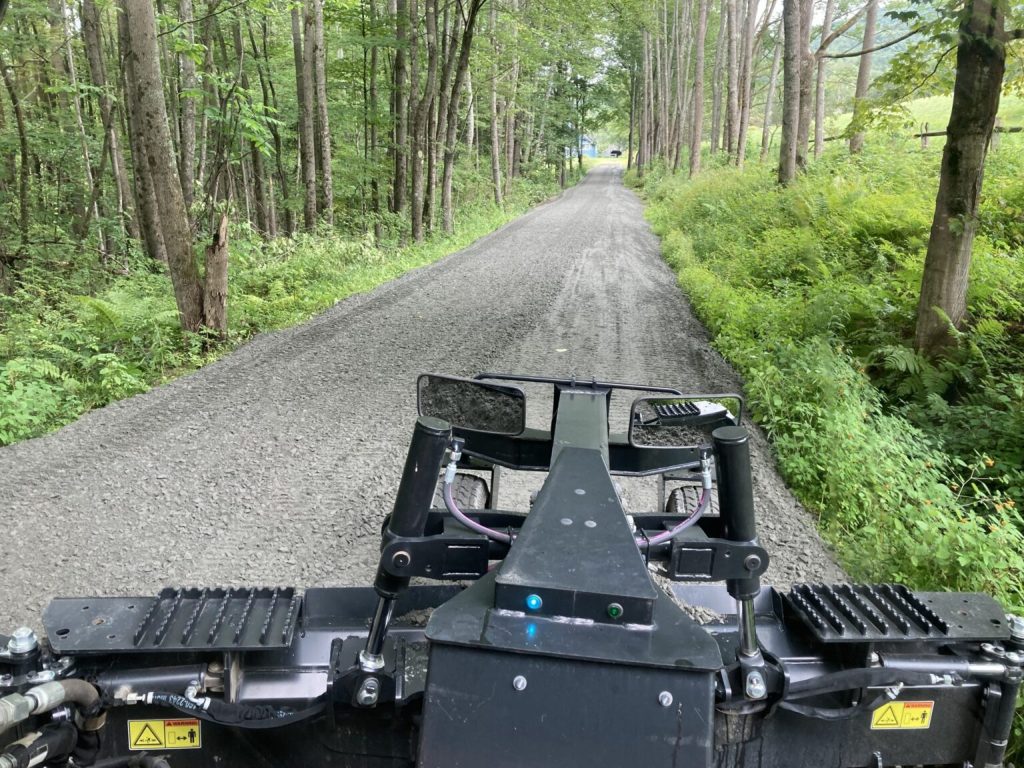
Driveway Grading and Roads
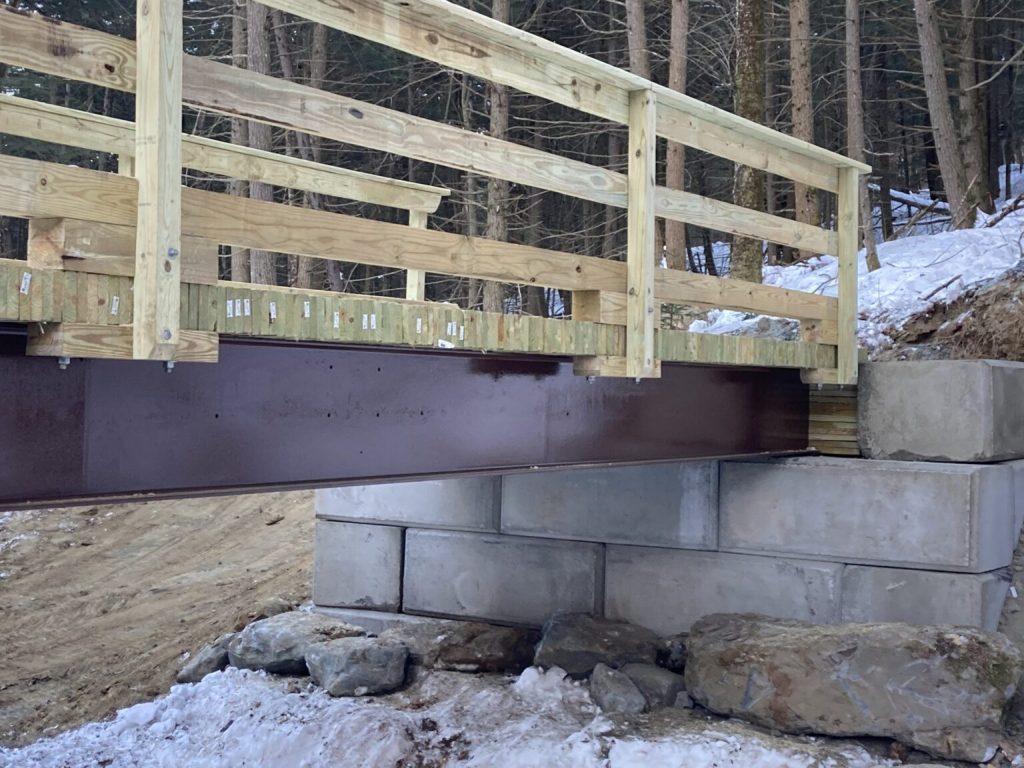
Bridges
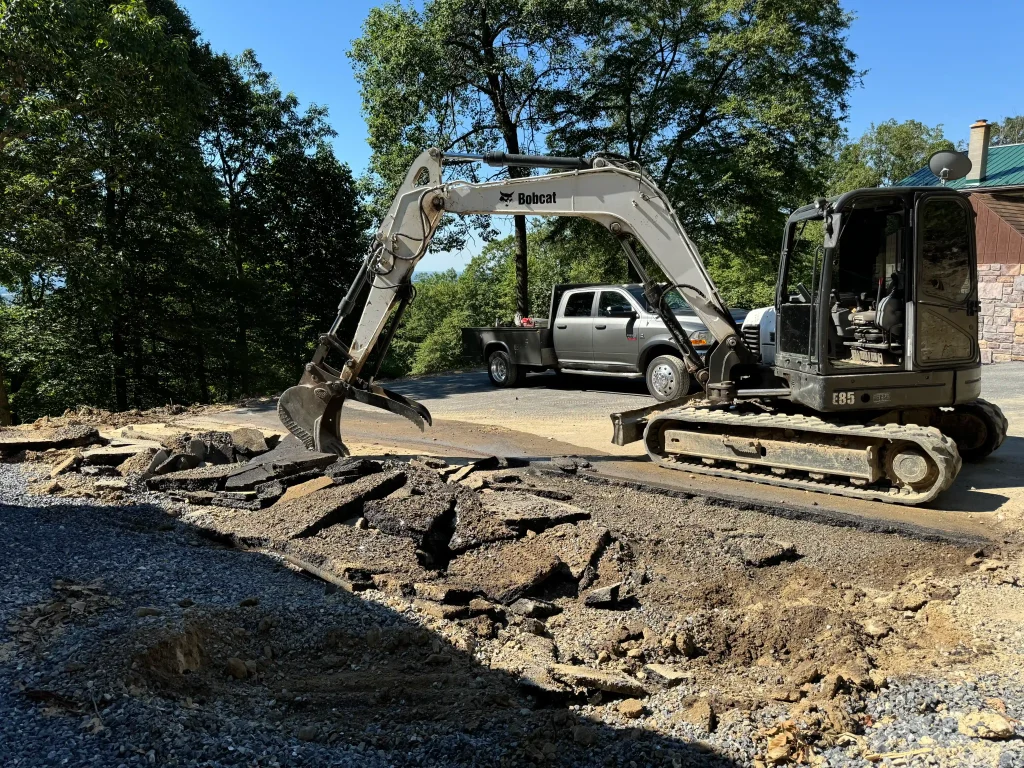
Demolition
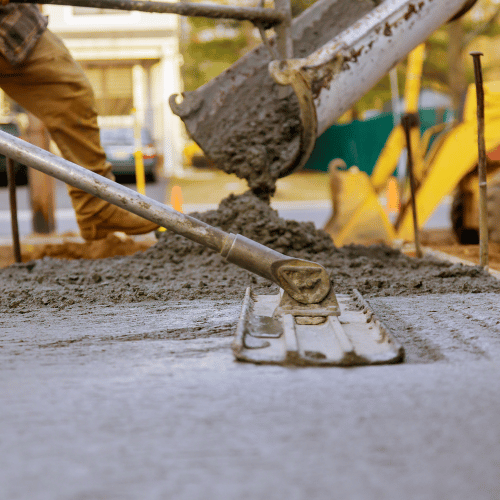
Equestrian Riding Construction
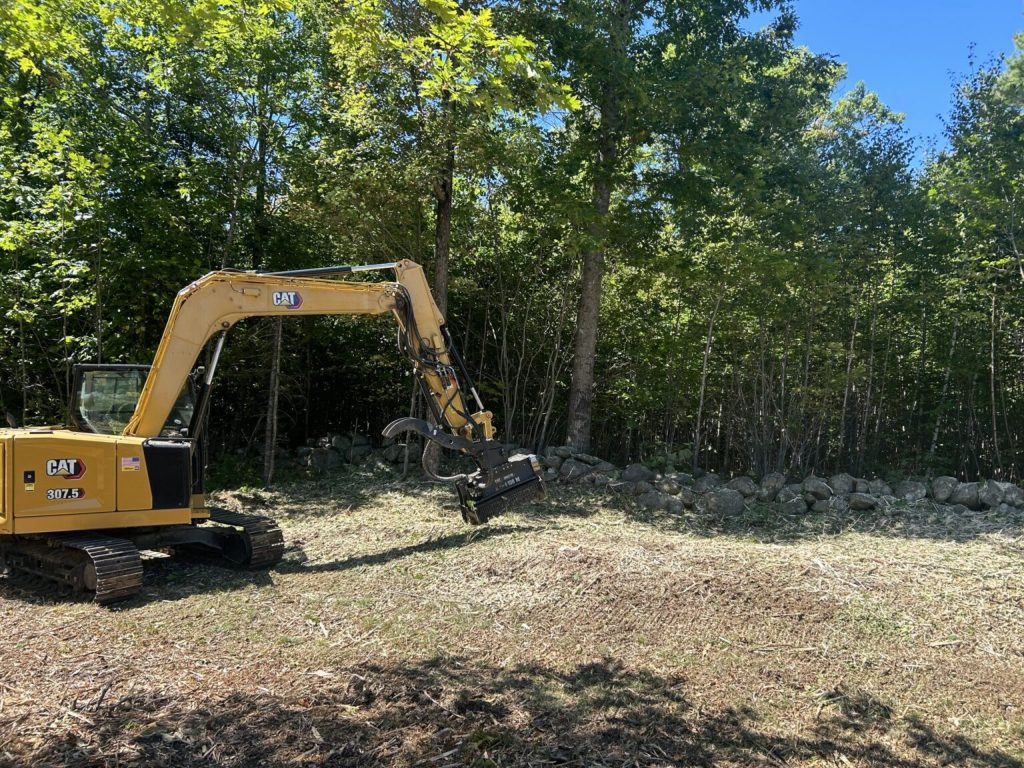
Foundation Excavation
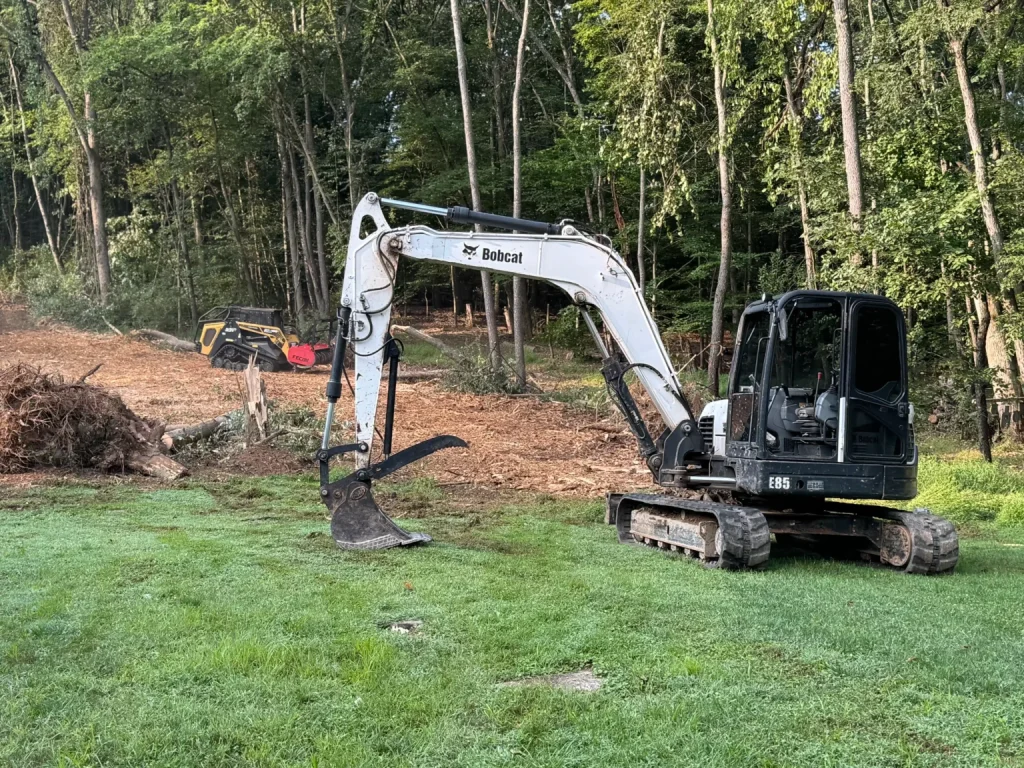
Utility Excavation
What Makes Our Septic Systems Work in Cornish, NH Efficient and Reliable?
A septic system is only as good as the site work behind it. We start every project with assessment, not assumption.
Test pits and soil evaluation come first. We dig to determine soil morphology, depth to ledge, and seasonal high water table specific to your property, because a Cornish lot near the river and a Cornish lot on the ridge can call for entirely different systems.
Percolation testing follows to measure how water moves through your soil — a core input for sizing the leach field correctly and determining whether a conventional gravity system will work or whether the site needs a mound or other engineered design.
Design and permitting are handled through NH DES’s Subsurface Systems Bureau, so the system is approved before installation begins, not flagged after.
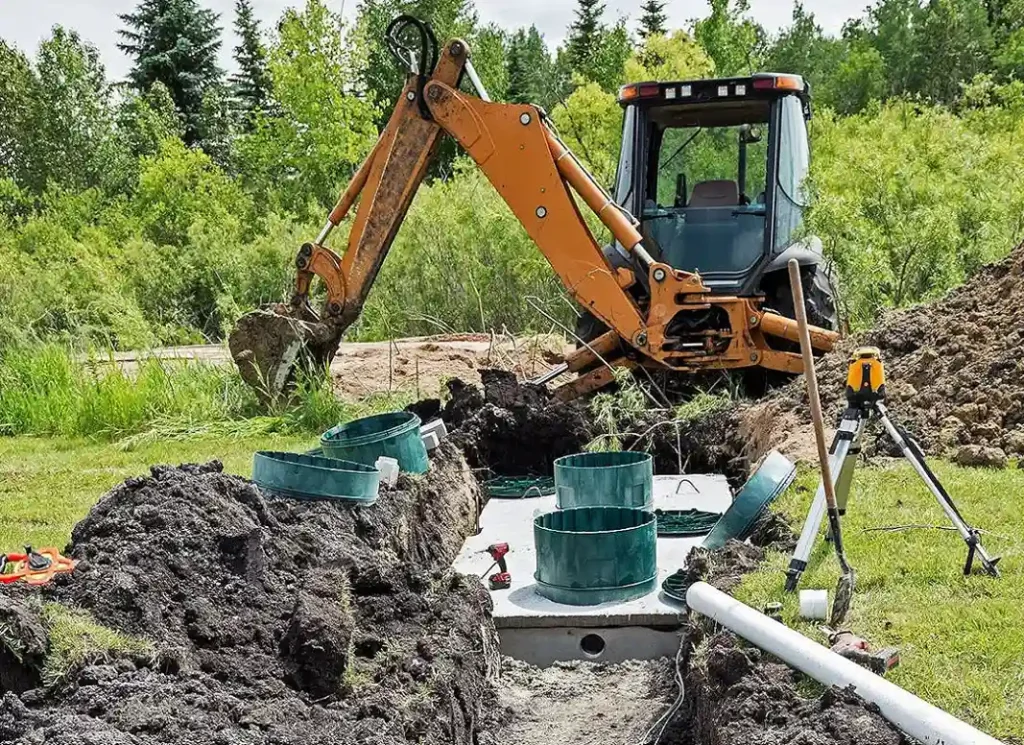
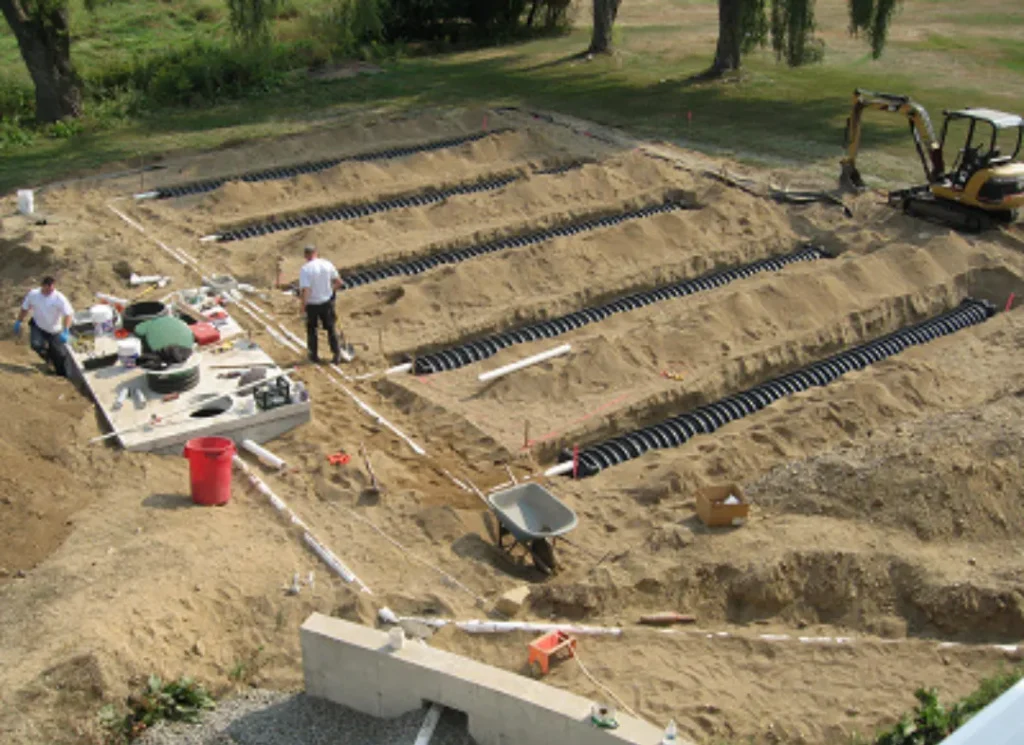
Installation proceeds to the approved design — tank, distribution, and leach field placed and graded to spec. Backfill and final grading are completed with drainage in mind, so surface water doesn’t compromise the system after the crew leaves.
We finish with a final inspection to confirm the system is functioning as designed.
Case Studies
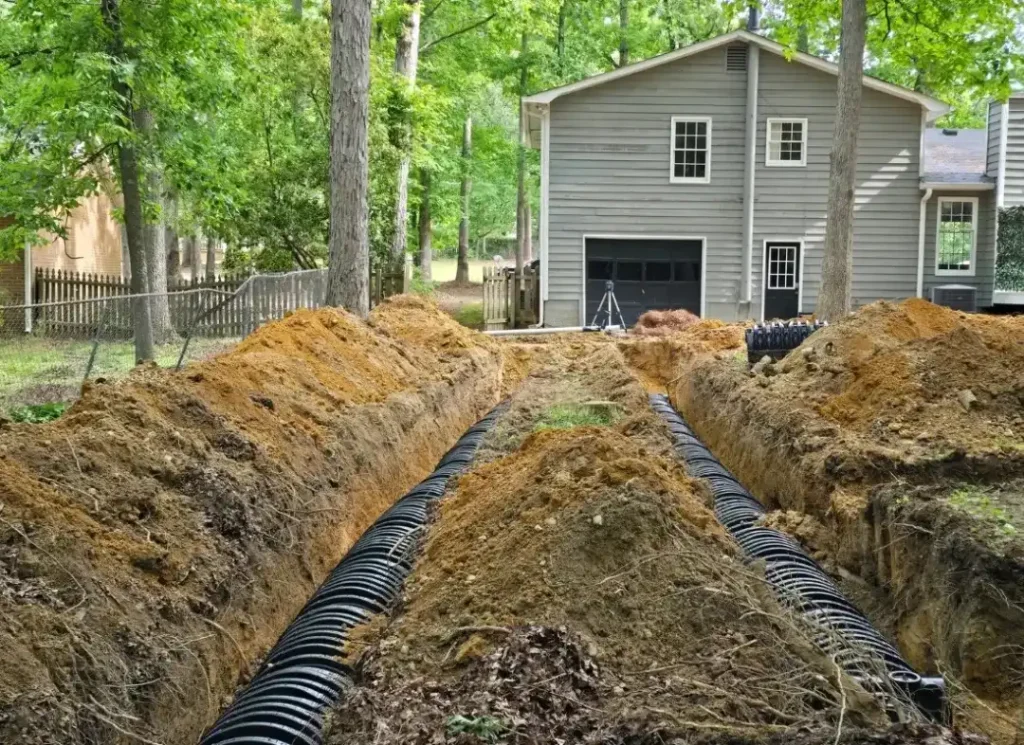
A homeowner building along Route 12A near the river needed a new septic system for a year-round residence. Test pits confirmed favorable loam soil and adequate depth to the water table, allowing for a straightforward conventional system. We completed design, permitting through NH DES, and installation on schedule, with no site surprises during excavation.
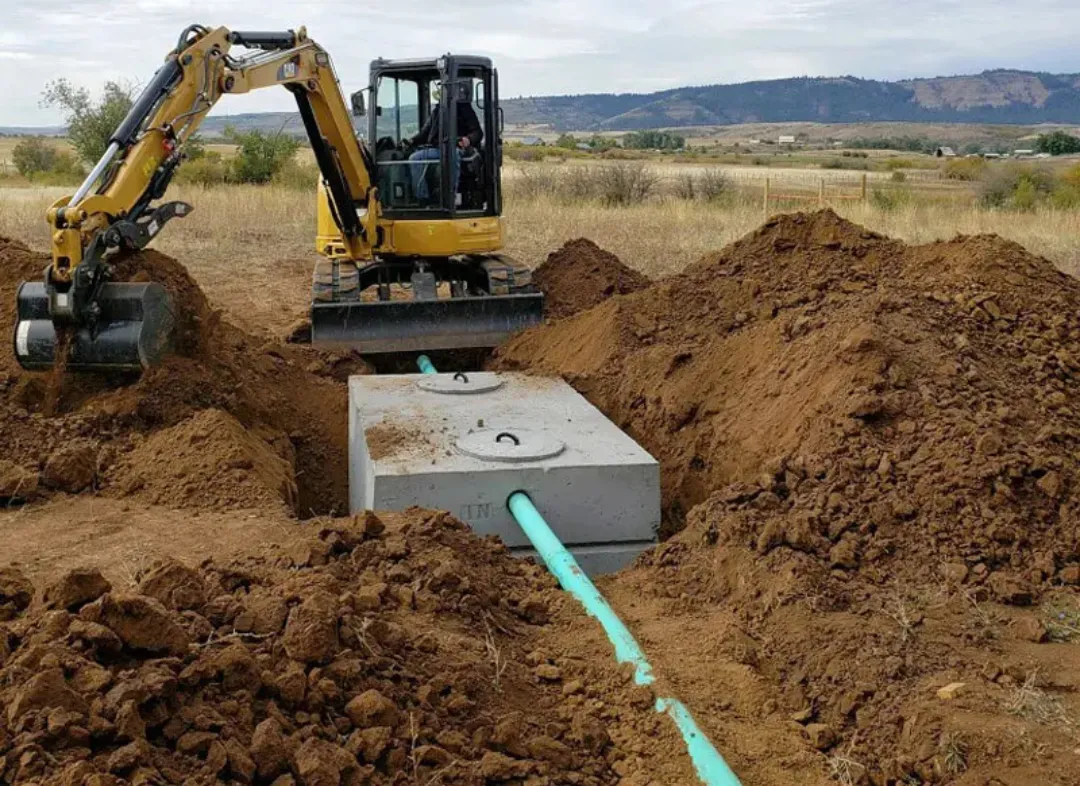
A property owner on a hillside lot above the valley had an aging system failing inspection, with test pits revealing ledge just over three feet down. We designed a mound system to meet the required separation, secured DES approval, and installed the replacement without disturbing the surrounding grade. The system passed final inspection on the first attempt.
RECENT PROJECTS
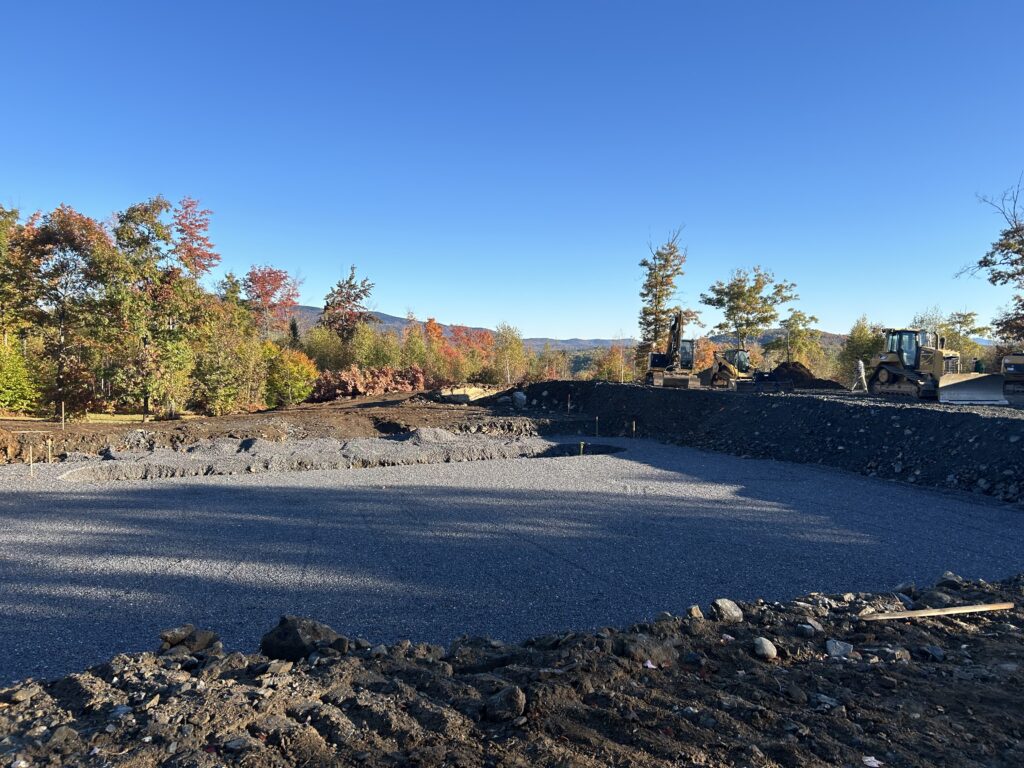
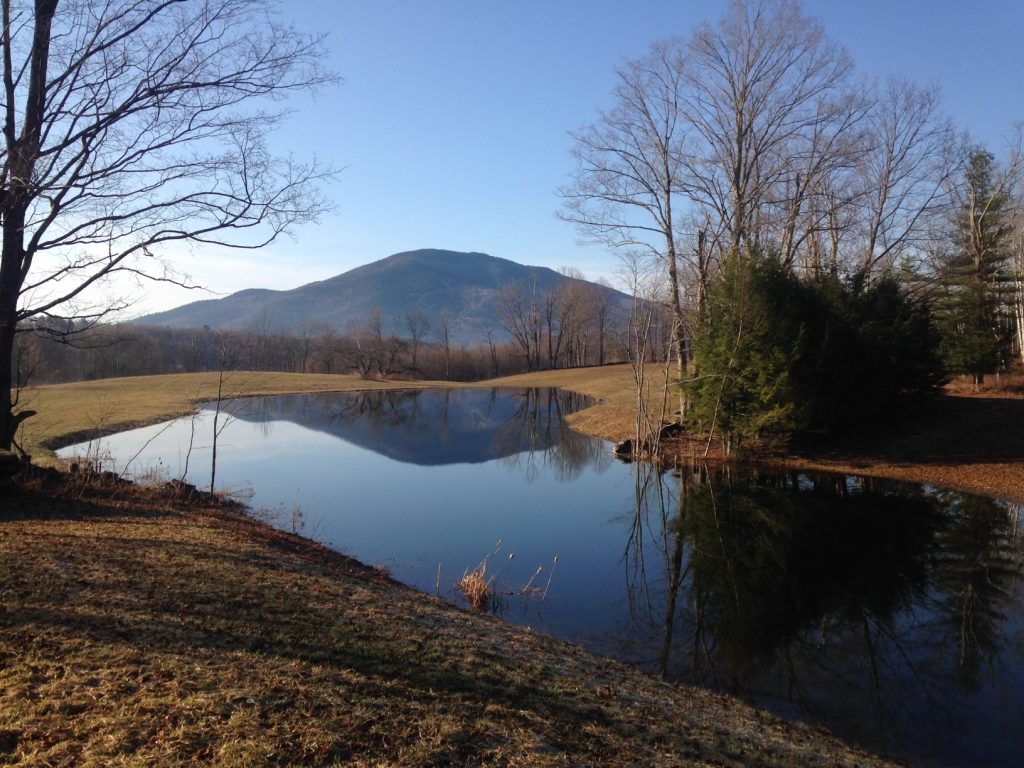
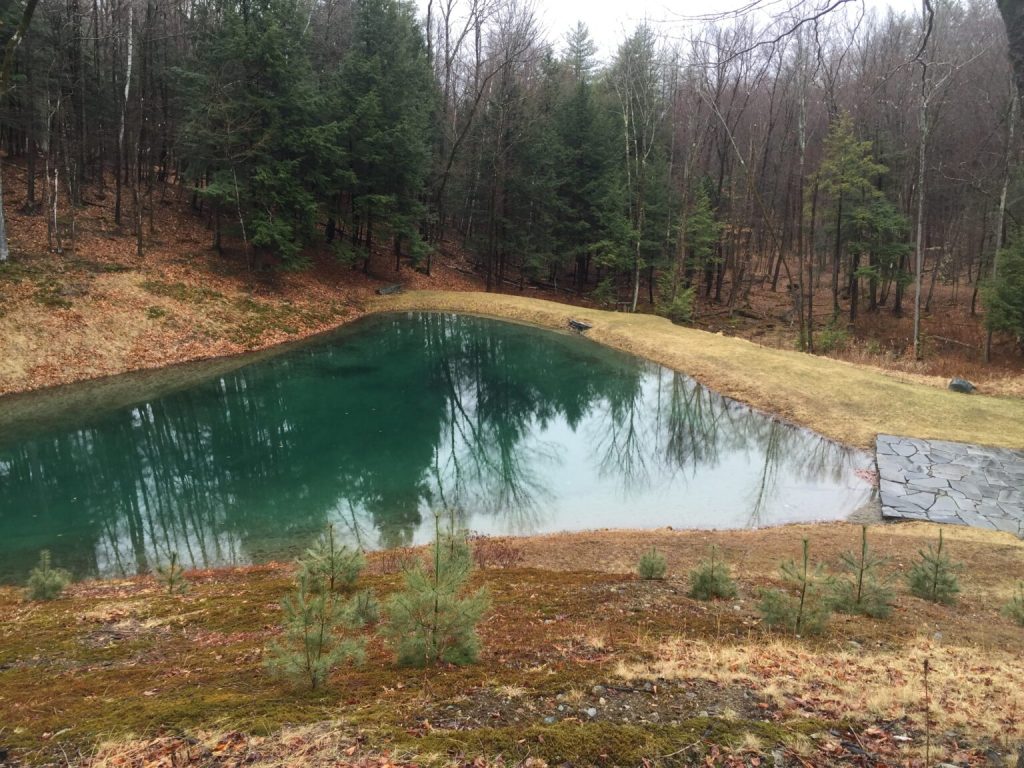
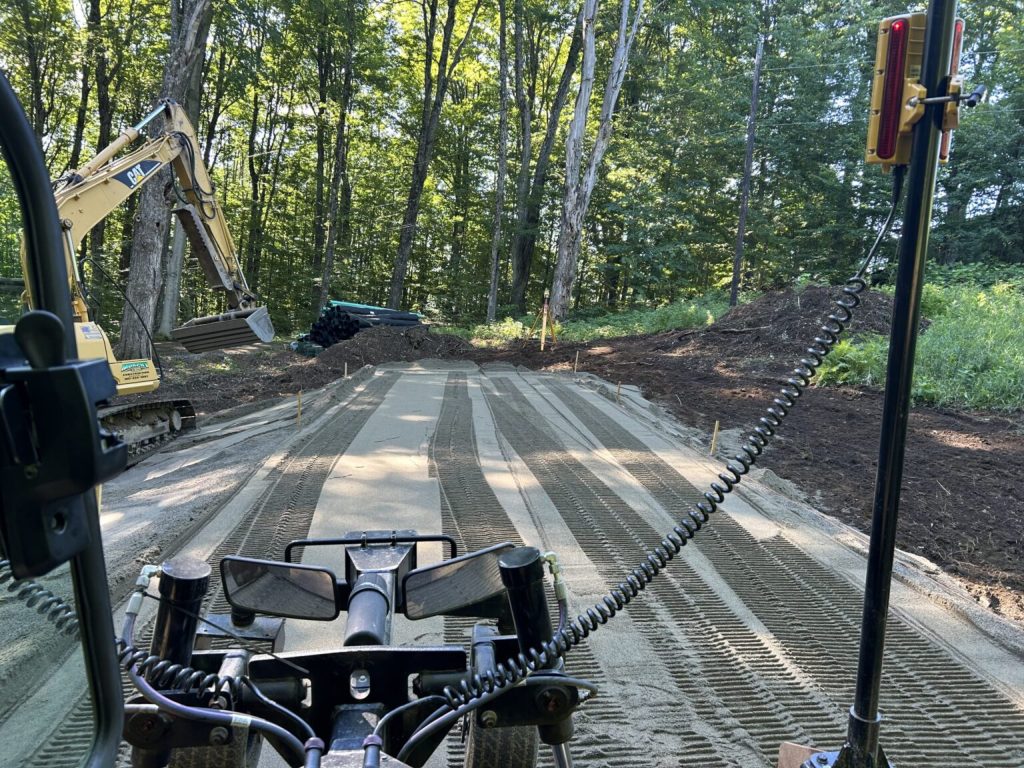
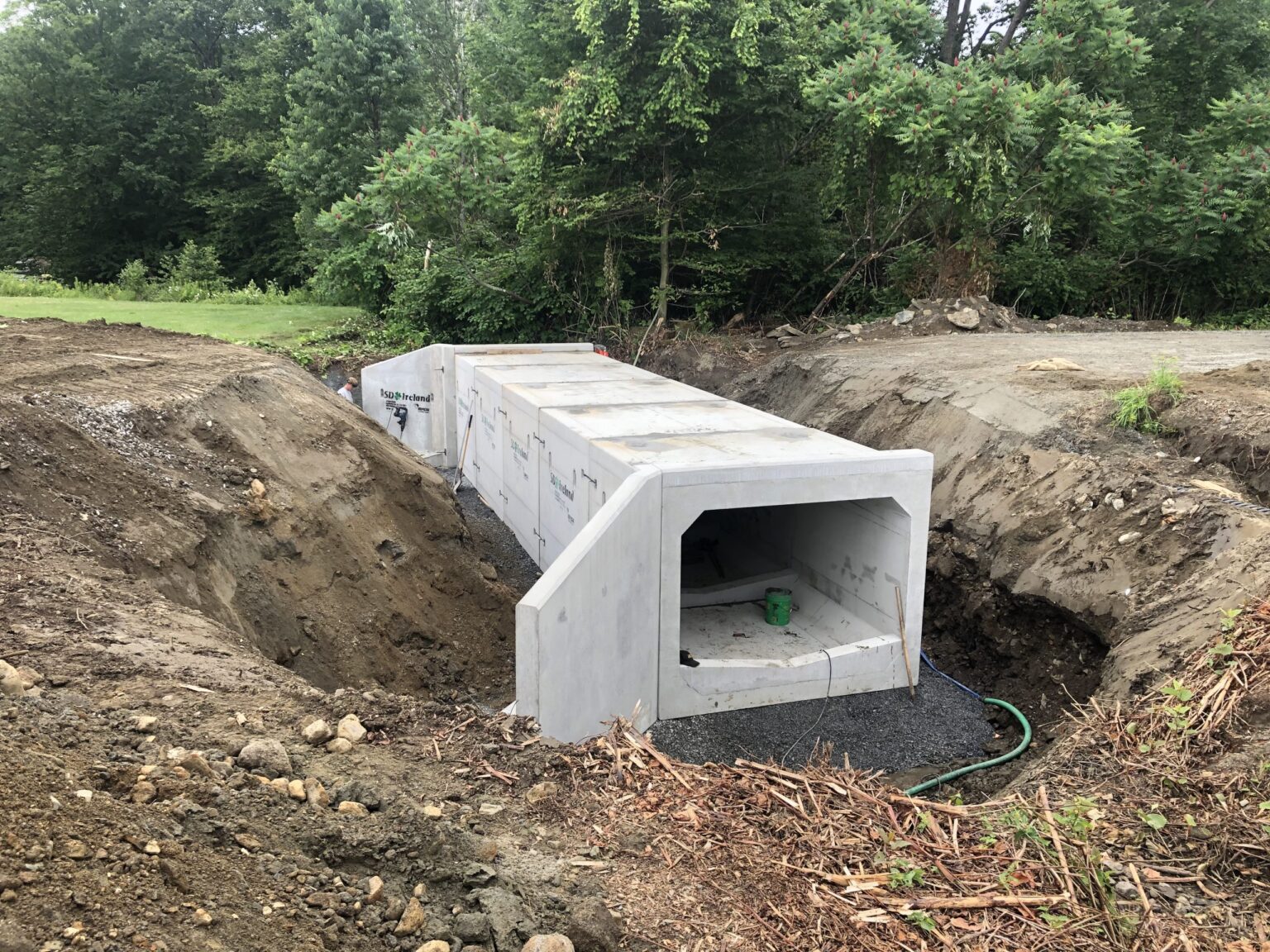
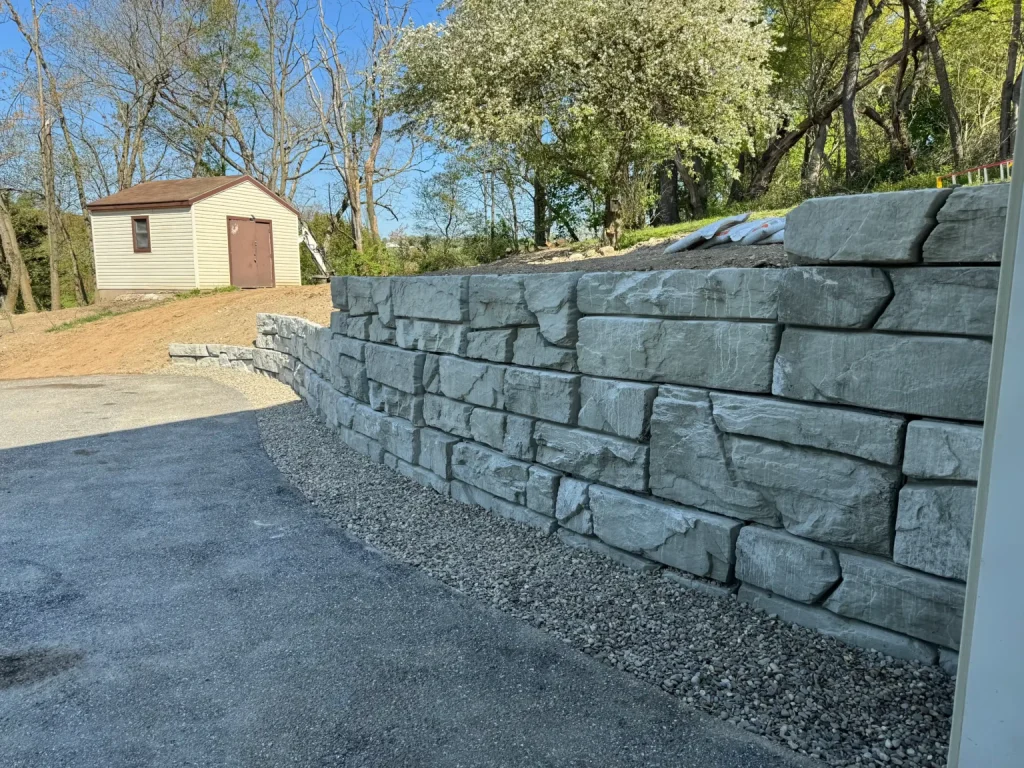
Take a look at some of our latest work completed recently. From land clearing and grading to demolition and full site prep we do it all. Scroll through the photos below to see our team in action and the results we deliver.
FAQs About Our Septic System Services In Cornish
Does being close to the Connecticut River limit where a septic system can be placed on my property?
Yes. Setback distances from the river, wetlands, and any wells apply on top of soil suitability, which can shrink the usable area on riverside lots. We factor river and wetland setbacks into the site plan before design.
Will my septic system need to be inspected or replaced if I'm selling a property in Cornish?
Many buyers and lenders require a septic inspection as part of the sale. If the system is aging or doesn’t meet current NH DES standards, replacement may be needed before closing. We can inspect and advise on what a sale is likely to require.
How often should a septic tank be pumped on a Cornish, NH property?
It depends on tank size, household size, and usage, but every 3–5 years is a common baseline. Hillside mound systems and systems with garbage disposals often need more frequent pumping than a standard gravity system.
Can a septic system be installed or repaired during a Vermont/New Hampshire winter?
It’s more limited than warmer months. Frozen ground slows excavation and can affect soil assessment accuracy, so we generally recommend late spring through fall for new installs, with winter repairs handled case by case.
What's the difference between a conventional septic system and a mound system, and how do I know which one I need?
A conventional system relies on gravity and adequate soil depth; a mound system builds up separation above grade when ledge or high water table rules that out. Test pits and a perc test determine which your property needs — we won’t know until we’ve assessed the site.